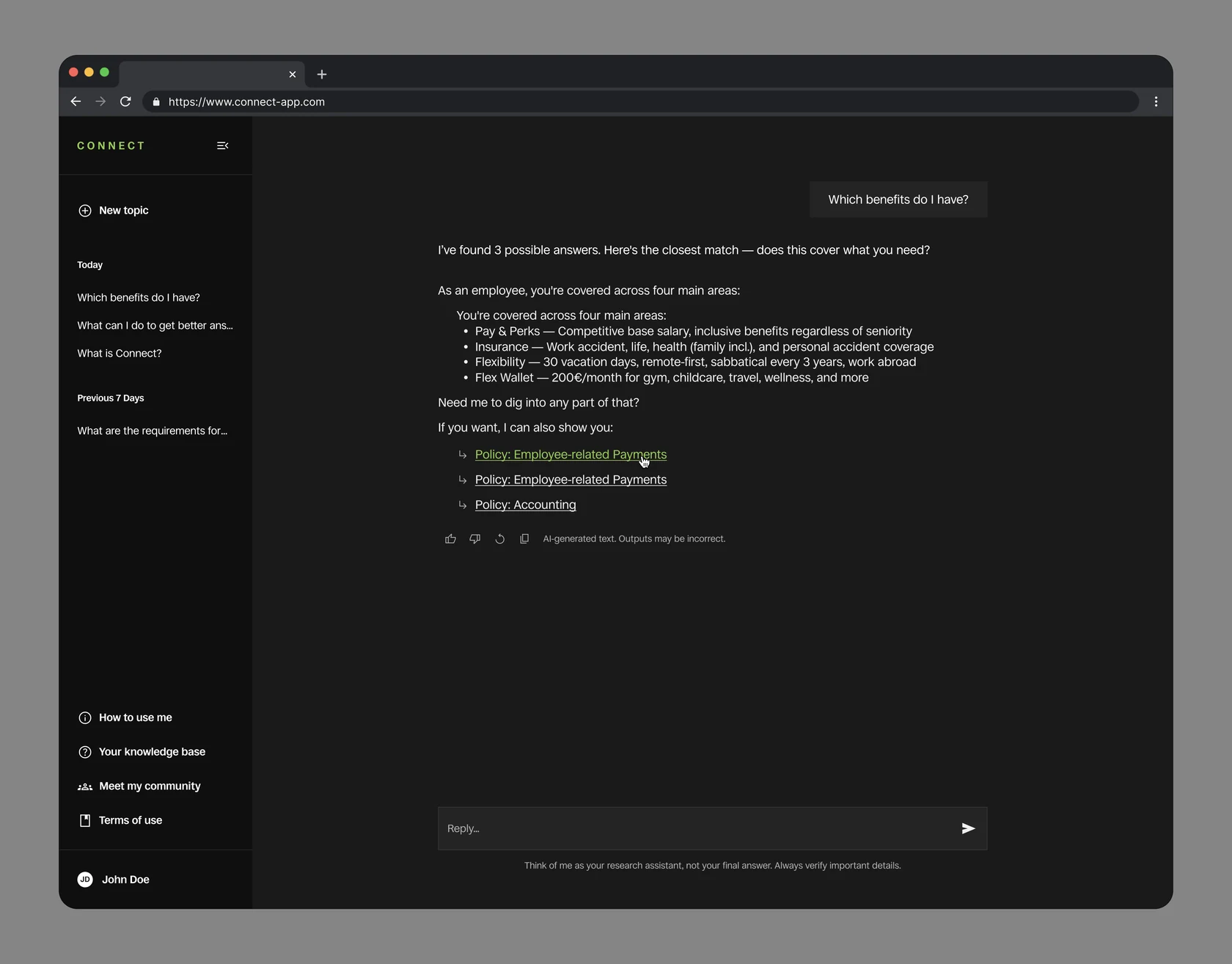
Two EV platforms launched on time with all key features intact
Designing the technology foundation for electrifying commercial transportation of goods for two different users: fleet managers and truck drivers.
This case study was completed under NDA. Identifying details have been anonymized; performance metrics shown are accurate.
Context
I designed the technology foundation for electrifying commercial freight transportation, serving two distinct user groups with different needs. Fleet managers required sophisticated tools to optimize charging schedules and maintain operational efficiency across their fleets. Drivers needed reliable, intuitive charging access that fit seamlessly into their daily routes and workflows.
Challenge
This emerging industry had few established UX patterns, which meant we were often charting new territory in defining solutions. I focused on answering three critical questions.
How might we help fleet managers minimize vehicle downtime?
Idle vehicles directly impact profitability, so charging orchestration needed to be strategic, not just functional.
How should we integrate with existing telematics systems?
Fleet managers already relied on established tools. Our solution needed to complement, not complicate, their workflows.
How can we make charging intuitive for drivers used to traditional fuel stops?
The transition from gas to electric needed to feel natural, not like learning an entirely new system.
Product setup
I was the sole product designer responsible for two interconnected products, coordinating across 2 development teams and 2 product managers spanning 3 time zones. This required me to balance strategic design decisions with practical execution, ensuring consistency across both experiences while meeting each team’s needs.
Team ADesktop app
- 1 Product Manager
- 5 Backend Dev
- 3 Frontend Dev
- 2 Quality A. Dev
Team BMobile app
- 1 Product Manager
- 1 Backend Dev
- 3 Frontend Dev
- 2 Quality A. Dev
Product Designer
- GMT -7
- GMT +1
- GMT +5:30
Timeline and rebrand
We operated under an aggressive 10-month timeline to deliver a market-ready MVP and a prototype for a major industry Expo and infrastructure rollout. The stakes were high. This demonstration would validate our approach to commercial fleet electrification in front of key industry players.
Three months before launch, we received the official brand guidelines, requiring a complete interface rebrand while maintaining our delivery commitments. This meant rapidly adapting our design system, coordinating updates across both development teams, and ensuring no disruption to our feature roadmap.
Understanding the design process
Working within MVP constraints, I established a lean, validation-focused process that balanced speed with user-centricity across four phases.
Discovery
Close collaboration with Product Managers and development teams to align on stakeholder requirements and technical constraints. Without extensive upfront research, I leveraged PM domain expertise and engineering feasibility discussions to inform early design decisions.
Design
Rapid concept generation and high-fidelity mockups that could be quickly validated with stakeholders and translated into development specifications across both teams.
Validation
I validated parts of our approach through an internal feedback round with employees who matched our driver personas, and through the prototype demo at the Expo. This gave us feedback without derailing the timeline.
Iteration
Continuous refinement based on validation insights, technical discoveries and stakeholder feedback. Each iteration prioritized changes that would have the highest impact on usability and operational efficiency.
Role and ownership
I owned the complete design process, serving as the strategic design voice across both products. Beyond interface design, I co-defined features with Product Managers, using design analysis and user-centered thinking to influence product decisions and prioritization.
As the lead of the design system team, I maintained and evolved our component library throughout this project, ensuring design consistency while supporting the specific needs of commercial fleet electrification. This dual role allowed me to make real-time decisions about component creation and modification without bottlenecks.
I established daily syncs with developers across three time zones to maintain momentum and quickly resolve implementation questions. Weekly alignment sessions with Product Managers helped us navigate feature conflicts, manage scope and make strategic trade-offs.
Designing for scale
This product would power a nationwide charging network serving diverse fleet sizes, so every design decision needed to scale gracefully.
I designed a flexible permission system that could serve both small operations (single owner-operators managing their own vehicles) and large enterprises (with distinct roles for fleet managers, drivers, dispatchers and administrators) without adding interface complexity. The same core experience adapts to organizational structure rather than forcing users into rigid workflows.
Outcomes
The project delivered strong results across design, development and business objectives.
Efficient development collaboration
Development teams reported significantly fewer design-related questions compared to previous projects. The detailed documentation, component specifications and proactive communication I established reduced ambiguity and kept both teams moving in parallel.
Maintained scope and timeline
Zero features were descoped due to design complexity. Despite the three-month rebrand pivot, we delivered on our original 10-month timeline, a critical achievement given the Expo deadline and infrastructure rollout dependencies.
Seamless handoff and launch
Both platforms launched with synchronized feature sets working exactly as designed. The organized file structure, comprehensive documentation and clear component library meant the handoff to ongoing teams was friction-free.
Business validation
Successfully demonstrated a working prototype at a major industry Expo, validating parts of our approach to commercial fleet electrification in front of key stakeholders and potential customers. This demonstration helped establish credibility in an emerging market.
Impact and lessons learned
This project taught me how to maintain design quality and user-centered thinking under extreme constraints. Working as a solo designer on an aggressive timeline, I learned to be strategic about where to invest design effort and creative about validation methods when traditional research processes were not feasible.
The experience reinforced the value of proper research infrastructure, and also showed me how to work effectively when that infrastructure does not exist. I learned to leverage existing stakeholder knowledge, turn demonstrations into research opportunities, and validate iteratively rather than waiting for perfect information.
Building a scalable foundation that other teams continue to build upon has been professionally rewarding. Seeing the design system and product patterns I established support ongoing development validates the strategic decisions made under pressure.
This experience has deepened my appreciation for research-rich environments. While I am proud of what we achieved with limited resources, I am excited to work in contexts where deeper user research can inform design decisions from the start, and ultimately create even stronger outcomes for users and businesses.